
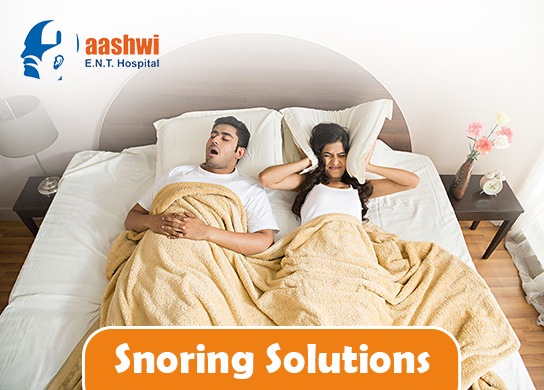
If you share a bedroom with a snorer, you already know the routine. A nudge in the ribs at 2 a.m., a pillow over the head, maybe a quiet exit to the sofa. And if you’re the snorer, you probably know it too, from the tired looks at breakfast and a partner who suddenly “sleeps better in the guest room”.
Snoring is common, and the jokes only go so far. It can wear down relationships, ruin sleep and, in some people, signal a serious health problem. The good news is that plenty of snoring solutions work. The trick is finding the right one for your cause.
Snoring Solutions
Why do we snore?
When you fall asleep, the muscles in your throat relax. The airway narrows, and air rushing through it makes the soft tissues at the back of your throat vibrate. That vibration is the sound we call snoring.
The narrower the passage, the louder the snore. Several things can squeeze that space:
- A blocked nose from allergies, sinus problems, nasal polyps, or a deviated septum
- Enlarged tonsils or adenoids, especially in children
- Excess weight, particularly around the neck
- A long soft palate or large tongue
- Sleeping flat on your back
- Alcohol or sedatives before bed
- Smoking, which irritates and swells the airway
- Age, as throat muscles lose tone over time
Different causes need different fixes, which is why one trick that works for your friend might do nothing for you.
When snoring is more than noise
Occasional snoring after a cold or a heavy night out isn’t a worry. But loud, regular snoring can be a sign of obstructive sleep apnea, where the airway repeatedly collapses during sleep and breathing briefly stops.
Watch for these red flags:
- Loud snoring with pauses in breathing, or gasping and choking at night
- Waking with a dry mouth, headache, or sore throat
- Feeling exhausted despite a full night in bed
- Dozing off during the day, at your desk or while driving
- Trouble concentrating, irritability or low mood
- High blood pressure that’s hard to control
- In children, restless sleep, mouth breathing and poor focus at school
Untreated sleep apnea is linked to high blood pressure, heart problems, diabetes and accidents caused by sleepiness. If this sounds like you or your partner, please don’t treat it as just a noisy habit.
Snoring solutions that actually work
1. Change your sleeping position
Sleeping on your back lets the tongue and soft palate fall backward. Try sleeping on your side. A body pillow can help you stay there, and raising the head of the bed slightly can ease the airway too.
2. Lose a little weight
Even modest weight loss reduces fat around the neck and throat, and for many people it noticeably lessens snoring. It’s not quick, but it’s one of the most effective steps.
3. Clear your nose
If you can’t breathe through your nose, you’ll breathe through your mouth, and snoring gets worse. Saline rinses help keep the passages open. Treat allergies and sinus problems properly instead of living with a permanently blocked nose.
4. Skip alcohol and sedatives at night
Both relax throat muscles further. Avoid alcohol for at least a few hours before bed, and talk to your doctor if you take sleeping tablets regularly.
5. Quit smoking
Smoke inflames and swells the airway lining. Quitting can reduce snoring, and it helps nearly everything else in your body.
6. Build better sleep tips into your routine
Regular sleep tips matter more than people think: a fixed bedtime and wake time, a dark and cool room, no heavy meals just before bed, and no screens for a while before sleeping. Overtired people tend to sleep more deeply and relax their throat muscles more, which can make snoring louder.
7. Stay hydrated
Dehydration thickens mucus in the nose and throat, which can make snoring worse. Drink enough water throughout the day.
8. Be careful with gadgets
Nasal strips, sprays, mouth devices, and pillows are heavily advertised. Some help in mild cases, especially when a blocked nose is the main issue. But they don’t treat sleep apnea, and they can delay proper diagnosis. If the snoring is loud or you’re always tired, don’t rely on gadgets alone.
When it’s time to see an ENT
Home measures work for simple snoring. But if you’ve tried them and nothing has changed, or you have any sleep apnea warning signs, see an ENT specialist. The cause often sits in the nose or throat, which is exactly where ENTs look.
A proper evaluation may include:
- Examining the nose, throat, tonsils, and palate
- A nasal endoscopy to look for blockages, polyps, or a deviated septum
- A CT scan of the nose, if needed
- Allergy testing, where allergies are suspected
- A sleep study, which records your breathing, oxygen levels, and sleep pattern overnight to confirm or rule out sleep apnea
Medical options: sleep apnea treatment and snoring treatment
Treatment depends on what’s found. It may include:
- Lifestyle measures and weight management
- Treating nose and sinus conditions, such as allergies, polyps, or chronic sinusitis
- CPAP therapy for sleep apnea, a machine that keeps the airway open with gentle air pressure through the night
- Oral appliances in selected, milder cases
- Surgery for airway issues when there’s a clear structural cause, such as a deviated septum, enlarged tonsils or adenoids, or excess tissue in the throat
Surgery isn’t for everyone, and a good ENT will explain whether it makes sense and what to expect before recommending it.
Snoring care at Aashwi ENT Hospital, Ahmedabad
Dr Mihir Mehta (MBBS, DLO, MS-ENT) has more than 23 years of experience in ENT and practises at Aashwi ENT Hospital on Drive-In Road, Bodakdev, Ahmedabad. The hospital lists snoring and sleep apnea care, a sleep study service, sleep apnea surgery, and snoring treatment among its offerings, along with CBCT nose imaging and allergy testing. Patients across Ahmedabad and Gujarat can also visit its centres in Bopal, Chandlodiya and Gandhinagar.
Frequently Asked Questions
1. Is snoring always a sign of sleep apnea?
No. Many people snore without apnea. But loud snoring with breathing pauses, gasping, or heavy daytime sleepiness needs a proper sleep evaluation.
2. Can snoring be cured permanently?
It depends on the cause. Simple snoring from weight, alcohol, or a blocked nose can improve a lot or disappear once those are addressed. Structural causes may need an ENT-guided procedure.
3. Do anti-snoring sprays, strips and pillows work?
They may help mild cases, particularly where nasal blockage is the issue. They won’t fix sleep apnea, so don’t depend on them if you suspect it.
4. Is snoring dangerous for my health?
Snoring on its own isn’t harmful, but when it’s linked with sleep apnea, it raises the risk of high blood pressure, heart problems, and daytime accidents.
5. What is a sleep study?
It’s an overnight test that monitors your breathing, oxygen level, and sleep pattern to see whether you have sleep apnea and how severe it is.
6. Where can I get snoring treatment in Ahmedabad?
Aashwi ENT Hospital has centres at Drive-In Road (Bodakdev), Bopal, Chandlodiya and Gandhinagar. Call 99798 91672 to book. OPD runs Monday to Saturday, 10 am to 5 pm, with Sundays for emergencies only.
Book an ENT consultation in Ahmedabad and get your sleep, and your partner’s, back.
For more information, click on the link below: