
Snoring gets treated as a punchline more often than it should. But when it’s loud, constant, and paired with gasping or choking sounds at night, it’s usually a sign of something bigger: sleep apnea. This isn’t just about a restless bed partner — untreated sleep apnea is linked to high blood pressure, heart problems, daytime accidents, and chronic fatigue that bleeds into every part of daily life.
The good news is that ENT specialists have a wide toolkit for dealing with both snoring and sleep apnea, and the right sleep apnea treatment depends heavily on what’s actually causing the airway to narrow at night.
Sleep Apnea & Snoring Treatment
What’s the Difference Between Snoring and Sleep Apnea?
Snoring happens when air struggles to move freely through the throat and nose during sleep, causing the surrounding tissues to vibrate. It’s common, and on its own, it’s usually harmless.
Sleep apnea is a step further. In obstructive sleep apnea, the airway doesn’t just narrow — it collapses or blocks completely for several seconds at a time, repeatedly through the night. Each pause forces the brain to briefly wake the body up to reopen the airway, even if the person doesn’t remember it happening. Over a full night, this can occur dozens or even hundreds of times, which is why people with untreated sleep apnea often wake up exhausted no matter how many hours they slept.
What Causes Airway Obstruction at Night?
Several structural and lifestyle factors can narrow the airway:
- Enlarged tonsils or adenoids, especially in children
- A deviated nasal septum or chronic nasal congestion
- Excess tissue in the throat or soft palate
- Weight gain, which adds soft tissue around the neck and throat
- Jaw structure, including a naturally recessed or small lower jaw
- Alcohol or sedative use before bed, which relaxes throat muscles further
- Sleeping position, particularly sleeping flat on the back
Because the causes vary so much from person to person, treatment isn’t one-size-fits-all — which is exactly why an ENT evaluation matters before jumping to a fix.
Signs You Might Need to See an ENT
- Loud, habitual snoring most nights of the week
- Witnessed pauses in breathing during sleep
- Waking up gasping or choking
- Morning headaches
- Excessive daytime sleepiness, even after a full night’s sleep
- Difficulty concentrating or irritability during the day
- Frequent nighttime urination
- A partner reporting restless, disrupted sleep
If several of these sound familiar, it’s worth getting evaluated rather than assuming it’s just “bad sleep.”
Diagnosing Sleep Apnea
Diagnosis usually starts with a detailed history and a physical exam of the nose, throat, and jaw structure. From there, a sleep study — either done at home or in a lab overnight — measures breathing patterns, oxygen levels, and how often breathing pauses occur. This data determines whether apnea is present and how severe it is, which then shapes the treatment plan.
ENT Treatment Options for Sleep Apnea and Snoring
1. Lifestyle and Positional Changes
For mild cases, weight management, reducing alcohol close to bedtime, and avoiding sleeping on the back can meaningfully reduce snoring and mild apnea episodes.
2. Nasal Treatments
If a blocked or deviated nasal passage is contributing to the problem, treating nasal congestion or correcting septal deviation can dramatically improve airflow and reduce snoring.
3. CPAP Therapy
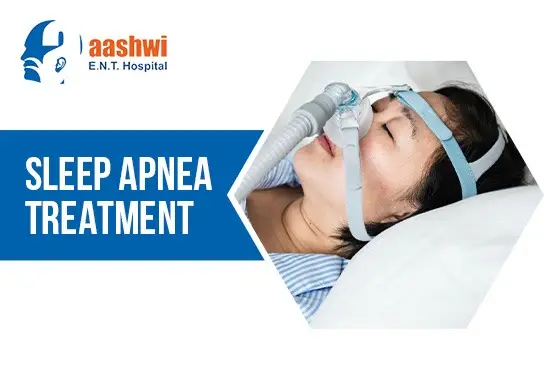
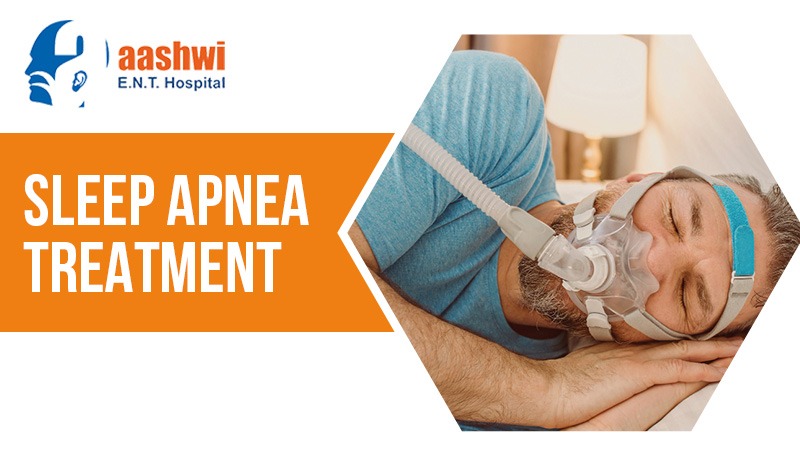
Continuous Positive Airway Pressure (CPAP) remains the gold standard for moderate to severe obstructive sleep apnea. A machine delivers steady air pressure through a mask, keeping the airway open throughout the night. It’s highly effective, though consistent nightly use is essential for it to work.
4. Oral Appliances
Custom-fitted devices, similar to a mouthguard, reposition the jaw or tongue to keep the airway open. These are often recommended for mild to moderate apnea or for people who can’t tolerate CPAP.
5. Surgical Options
When structural issues are the main culprit — enlarged tonsils, a deviated septum, or excess soft palate tissue — surgery can directly address the obstruction. Procedures range from tonsillectomy and septoplasty to more advanced palate and airway surgeries, chosen based on where exactly the blockage occurs.
6. Follow-Up and Sleep Study Reassessment
Whatever the treatment path, follow-up sleep studies help confirm whether the chosen approach is actually resolving the apnea, not just reducing the noise of snoring.
Living With Better Sleep
Treating sleep apnea isn’t just about quieter nights. People often report sharper focus, better mood, lower blood pressure, and noticeably more energy once the underlying airway obstruction is addressed. It’s one of those conditions where the fix genuinely changes day-to-day quality of life, not just the symptom you originally came in for.
If snoring or disrupted sleep has become a regular part of your nights, don’t wait for it to resolve on its own. Getting evaluated by an ENT specialist can identify the actual cause and match you with the right treatment. For more information on sleep and airway health, visit drmihir.com.
Frequently Asked Questions
1. Is snoring always a sign of sleep apnea?
No. Many people snore without having sleep apnea. However, loud, habitual snoring combined with gasping, choking, or daytime fatigue is a strong reason to get evaluated.
2. Can sleep apnea be cured permanently?
In some cases, especially when caused by a structural issue like enlarged tonsils, surgery can resolve it permanently. In others, it’s managed long-term with CPAP or oral appliances rather than “cured” outright.
3. Is CPAP the only effective treatment for sleep apnea?
No. While CPAP is highly effective for moderate to severe cases, oral appliances, positional therapy, and surgery are all valid options depending on the cause and severity.
4. Can children have sleep apnea too?
Yes, enlarged tonsils and adenoids are common causes of obstructive sleep apnea in children, often signaled by loud snoring, restless sleep, or daytime behavioral issues.
5. Do I need a sleep study before starting treatment?
Generally, yes. A sleep study confirms the diagnosis and severity, which helps determine whether lifestyle changes, an oral appliance, CPAP, or surgery is the most appropriate next step.
6. Does losing weight help with sleep apnea?
For many people, yes. Reducing excess tissue around the neck and throat can ease airway obstruction, though it doesn’t eliminate apnea caused by structural issues like a deviated septum or enlarged tonsils.
Book your appointment today.
Dr Mihir K. Mehta — MBBS, DLO, MS-ENT | 23+ Years ENT Experience
For more information, click below:
Dr Mihir Mehta, Satellite, Ahmedabad | Top ENT, Throat, Nose, Sleep Apnea Doctor, Specialist