
Ear Infections in Kids: Prevention Tips
Introduction
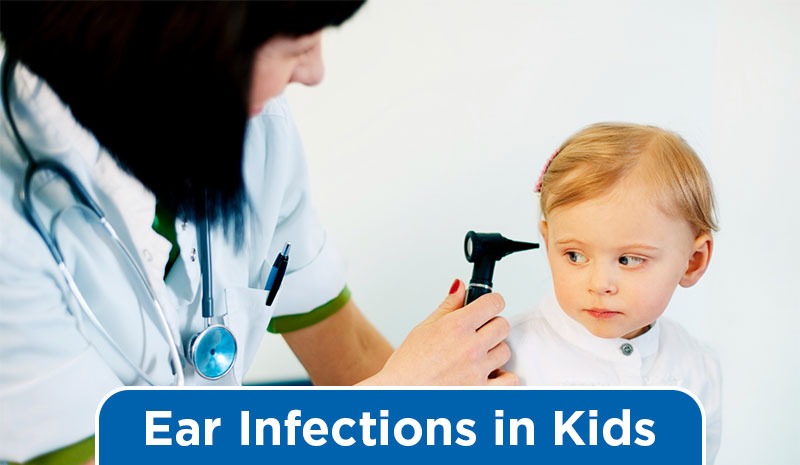
One of the most frequent reasons why children go see a pediatrician for medical care is due to ear infections. Before entering school, it is very common for children to have multiple occurrences of an ear infection. Although most ear infections will go away without treatment, children who have recurring ear infections can develop problems with hearing, speech development, and comfort. Parents can learn about how to protect their child’s ear health by understanding how ear infections occur in children, what causes them, and what steps they should take to help prevent them. By having access to the correct type of pediatric ear tips and seeking prompt evaluation and treatment from an Ear, Nose, and Throat (ENT) specialist, many ear infections can be avoided.
Ear Infections in Kids: Prevention Tips Every Parent Should Know
Ear infections in kids develop due to infections and Eustachian tube issues
Many children suffer from ear infections (Otitis Media), which are caused by an infection of the middle ear. The infection originates from the throat and is caused by bacteria/viruses. Since children have shorter and narrower eustachian tubes, it is more difficult for them to drain the fluid buildup behind the eardrum that leads to an ear infection.
Ear infections can be caused by:
- Common colds and/or the flu
- Allergies that cause nasal congestion
- Secondhand smoke
- Bottles are being used while lying flat
- Daycare attendance
Eardrum infections often take longer to be diagnosed because young children may not be able to express that they are in pain or discomfort.
Preventive care significantly reduces ear infections in children
Reducing the chance of ear infections involves two general strategies: decreasing exposure to infections and improving the drainage of the ear. The following habits are effective in significantly lowering the risk of ear infections:
- Maintaining appropriate immunizations
- Limiting interaction with sick children
- Avoiding being around secondhand smoke
- Encouraging regular handwashing
- Promoting breastfeeding during the early stages of infancy
Immunizations protect against bacteria that are often responsible for causing Otitis media in infants. Clean and healthy environments also decrease the number of Upper respiratory infections that can lead to infections of the middle ear.
Early symptoms help parents identify ear infections quickly
Assessing symptoms early reduces the risk of complications from the condition. The characteristics of symptoms will change according to an individual’s age and the severity of the infection.
Common symptoms of middle ear infection:
- Pain in the ear or pulling at the ear
- Fever
- Unusual behaviour (excessive crying, irritability)
- Trouble sleeping
- Fluid leaking from the ear or ears
- Possible temporary hearing loss.
Children who are of toddler age often demonstrate changes in behaviour rather than complain of pain. Early treatment through a medical professional will yield better outcomes for individuals with this condition.
Recurrent ear infections can impact hearing and speech development
Middle ear infections can cause fluid accumulation in the middle ear, which negatively impacts the transmission of sound.
Short-Term Effects of Fluid in Your Ear:
- Temporary hearing impairment due to sound not being carried properly.
- Delayed speech development.
- Difficulty concentrating.
- Problems with balance.
Treatment will resolve most hearing issues associated with temporary ear infections, but an ENT specialist should evaluate patients with repeated ear infections to determine if there are any long-term effects resulting from chronic ear infections.
Strong child immunity lowers the risk of ear infections
The immunological system of children is important for infection prevention. The stronger a child’s immune system, the better it protects against pathogens, bacteria, and viruses, their right to live in our children’s bodies.
- Ways to Enhance the Immune System
- A well-balanced Diet of Fruits and Vegetables
- Sufficient Sleep for Each Child
- Have an Active Lifestyle
- Vaccinations at Recommended Times
Children who do not eat a balanced diet or receive enough sleep are more likely to become infected than those who do. Developing a routine of healthy Living habits will greatly improve the long-term Health of the ears.
ENT consultation plays a key role in pediatric ear care
Accurate diagnosis and treatment of children with ENT (ear, nose, throat) issues is done by ENT specialists who evaluate the structure of the ears, level of hearing, and degree of infection.
ENT evaluations should be performed if:
- Frequent ear infections
- Ear symptoms continue after treatment
- Signs of hearing loss
- Any discharge from the ear
Your ENT specialist may recommend treating with medication, or monitoring the child until further notice. Surgery will only be performed if it is necessary.
Daily pediatric ear care habits help prevent infections
Consistent ear care will decrease the risk of ear infections. Parents can encourage safe ear care by practicing.
The following Pediatric ear care tips will help with the safe ear care of children:
- Do not insert any objects into the ears
- Dry the ears gently after bathing
- Treat nasal congestion as soon as possible
- Encourage feeding your child in an upright position
- Keep the sleep area clean
Do not clean your child’s ears aggressively; there is no need to remove natural earwax as it protects your child from ear infections.