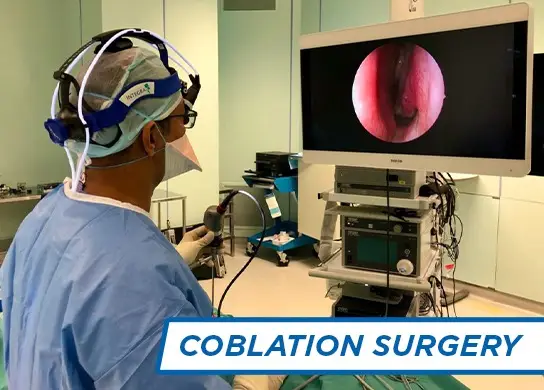
Coblation Surgery for Tonsils & Adenoids
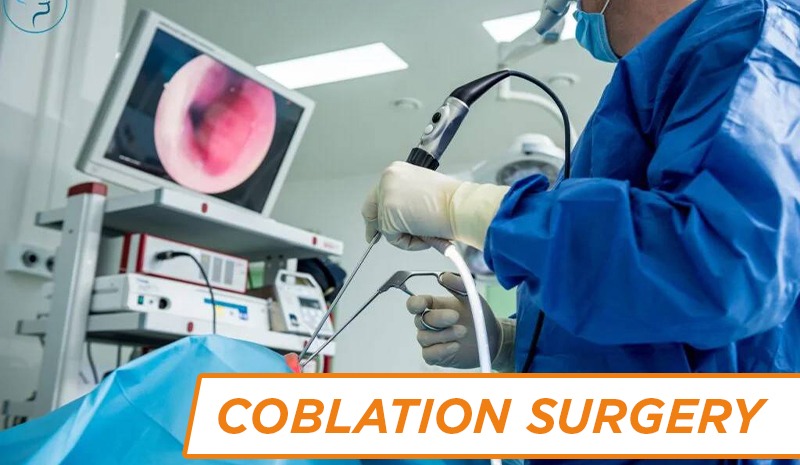
Introduction
Coblation has changed the way ENT doctors conduct surgeries on patients suffering from enlarged tonsils and adenoids. Old-fashioned (traditional) surgery was performed using heat, which resulted in excessive blood loss, as well as lengthy recoveries. Coblation uses low temperature energy to burn away tissue from the body in a more precise manner than traditional methods. As a result, patients experience less pain, blood loss, and recovery time; coblation can be a safer and more comfortable method of conducting surgery on patients (children or adults) with ongoing throat and/ or breathing problems.
Coblation Surgery for Tonsils & Adenoids: A Modern Low-Heat ENT Solution
Coblation surgery uses controlled low-temperature energy for tissue removal
Coblation surgery, an advanced ear, nose and throat (ENT) surgical procedure, is performed using radiofrequency energy to remove tonsil and adenoid tissue. Compared to conventional surgery, this method is done much cooler.
The technology of Coblation operates by:
- Generating a plasma field
- Dissolving tissue using low heat
- Protecting the surrounding, healthy tissue from damage
The temperature during Coblation surgeries stays between 40C and 70C as opposed to electrocautery, which uses much higher temperatures. The Coblation method (i.e. lower heat) results in less damage to the surgical site and a quicker recovery than traditional electrocautery surgery.
Coblation surgery differs significantly from traditional tonsil surgery
Traditional tonsillectomy surgery has typically employed heat or cold steel surgical instruments to accomplish tonsil removal; therefore, there is generally more bleeding during the operation as well as postoperative pain associated with both techniques.
Key advantages of Coblation Tonsillectomy versus Traditional Tonsillectomy include:
- Less thermal injury
- Less intraoperative bleeding
- Increased surgical precision
- Shorter procedure times
By using a technology known as Coblation, the surgeon can accurately remove tonsils while protecting the surrounding muscles and nerves. This results in increased patient comfort in general.
Coblation tonsillectomy offers improved safety and comfort
Coblation Tonsillectomy is equally effective in both pediatric and adult populations. With coblation tonsillectomy the level of reliability and predictable outcome is high.
Safety Benefits Of Coblation Tonsillectomy Include:
- Lower Rate Of Post-operative Bleeding
- Less Swelling
- Reduced Throat Pain
- Quick Return To Normal Diet
Children Tolerate Coblation Surgery Better Than Traditional Methods. Adults Benefit From Decreased Complications Following Coblation Surgery And A Better Overall Recovery Experience.
Low-heat coblation surgery reduces pain and tissue damage
Surgical treatments with low heat preserve the delicate lining of the throat, and excessive heat can cause inflammation and slow down healing. Coblation minimizes the risk of this.
The clinical benefits of coblation:
- Lessening of inflammation after surgery
- Reduction in nervous system irritation
- Decrease in the number of narcotics required for pain relief
- Improved swallowing comfort
The patient will often report a lower level of pain than with other procedures. Therefore, the decreased level of pain will increase hydration and nutrition during recovery time.
Recovery after coblation surgery is faster and smoother
Most patients will be back to their usual daily activities much sooner than those who don’t have coblation surgery because their recovery time tends to be shorter.
Typical milestones in the recovery process after coblation surgery typically include:
- Reduction in pain in the first few days following surgery
- Sooner tolerance to a soft diet
- Lower rates of scab development
- Faster return to school/work
Children generally recover more quickly from coblation surgery than do adults, and proper postoperative care enhances the outcome of the surgery.
Coblation adenoidectomy treats nasal and breathing problems effectively
The surgical procedure called coblation adenoidectomy uses radiofrequency technology to remove unwanted tissue from the adenoids effectively, without risk of damaging adjacent structures or causing excessive bleeding. Patients can expect an immediate improvement in their ability to breathe through their nose following the procedure.
Patients generally present with one or more of the following:
- Mouth Breathing
- Snoring
- Sleep Disorders
- Recurrent Ear
- Infections
- Nasal Speech
Coblation adenoidectomy is associated with a precise removal of the adenoid tissue and protects adjacent structures during the procedure. In most cases, patients will notice an improvement in their ability to breathe through their nose shortly after the surgery is completed.
Coblation surgery carries minimal risks when performed correctly
All operative procedures involve an element of risk; however, coblation surgery is performed safely when done by properly trained ENT surgeons.
Potential risks include:
- Mild postoperative bleeding,
- Temporary pain or discomfort in the throat,
- Rarely, an infection,
- Dehydration from inadequate fluid intake.
Serious complications are very rare; therefore, following all postoperative instructions significantly lessens the chance of a complication.
When ENT Specialists Recommend Coblation Surgery
ENT surgeons use symptoms and the number of occurrences to determine if someone requires coblation surgery. Examples of situations where coblation surgery may be performed include:
- Recurring Tonsillitis
- Obstructive Sleep Apnea
- Adenoidal Hypertrophy (Enlarged Adenoids)
- Chronic Throat Infections
- A lack of response to medical treatment
Prior to deciding on surgery, all patients undergo a complete clinical assessment. For many patients, all available non-surgical options are exhausted prior to considering surgical intervention.