Ear Surgery (Mastoidectomy, Tympanoplasty)
Introduction
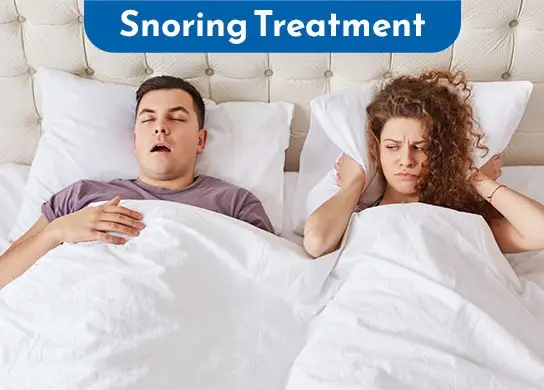
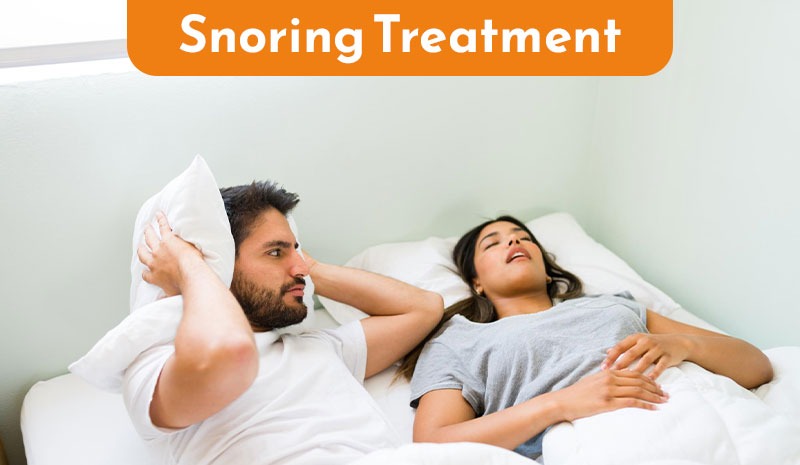
Snoring reduces the quality of sleep, alters breathing patterns, and impairs general health. A large number of people treat snoring as a joke, however, it is frequently a sign of an obstruction in the airflow.
Contemporary Snoring Treatment is mainly about finding the local and functional causes.
Nasal blockage, shortness of breath, and structural problems of the nose are still the main factors.
Present-day medical innovations enable precise treatments rather than just offering temporary home remedies.
By learning the causes, patients will be able to make the right choice for a lasting solution.
Snoring Treatment: Causes, Medical Solutions, and Latest Advances
Causes of Snoring During Sleep
Snoring happens when air has a hard time moving through the narrowed airway. Some things can cause this.
Nasal congestion restricts the air that goes through the nose. Breathing through the mouth makes the vibration of the throat louder. The muscles in the throat that are weak will be the ones that collapse during a deep sleep.
Problems with the nose structure also raise the resistance. A deviated septum makes one side of the nasal passage narrower. Inflamed tonsils and an elongated soft palate contribute to the obstruction getting worse.
Being overweight puts more pressure on the tissues around the airway. Drinking alcohol before going to bed relaxes the muscles in the throat. Smoking causes the nasal lining to become inflamed, and thus the swelling gets increased.
Health Risks Linked to Chronic Snoring
Persistent snoring is not only a very noisy sleep, but it also leads to reduced oxygen levels that put a lot of stress on the heart and brain.
Typically, loud snoring is associated with sleep apnea. This disease causes stops in breathing that occur several times. If left untreated, it will increase the blood pressure rate.
Bad sleep makes one tired during the day, and one lacks concentration. In addition, headaches and irritability become present as well. Snoring, which is prolonged, causes an increase in the heart’s workload.
Seeing the doctor is a way of preventing later complications.
Medical Signs That Indicate Snoring Needs Treatment
When snoring is accompanied by other symptoms, it needs treatment.
Sleep breathing difficulties most likely indicate airway blockage. Choking or gasping episodes should alarm you. Morning headaches might be caused by low oxygen levels.
Dry mouth after sleeping is a sign of mouth breathing. Sleepiness during the day can lower one’s work efficiency and even be the cause of dangerous situations.
In case children snore, they might have behavioral problems. Adults, on the other hand, can suffer from memory loss. These symptoms should be taken seriously.
Nasal Blockage and Deviated Septum as Snoring Triggers
One of the major causes of snoring is nasal blockage. The swelling of certain tissues decreases the flow of air. Sinus infections make the congestion more severe.
Normally, a deviated septum means that the nasal cartilage is moved to one side. As a result, the condition decreases the efficiency of the airflow. Even more, breathing during sleep becomes quite challenging.
Those who have a septal deviation mostly breathe through their mouths. As a result, the vibration of the throat increases. In addition, chronic congestion makes the snoring even more severe.
After fixing the nasal obstruction, the airflow returns to normal, and the quality of sleep is better.
Modern Medical Options Available for Snoring Treatment
Now, treatments for snoring are specific to the different causes. Medical practitioners first carry out a sleeping assessment and examine the nose.
Sprays for the nose help in lessening a short-lived swelling that may be caused by the inflammation. Allergy treatment also helps in controlling the swelling. Dental devices change the position of the jaw during sleep.
A machine that provides a constant flow of air into the airway is the one that is used in a continuous positive airway pressure treatment for patients with obstructive sleep apnea. Minimally invasive operations are done on patients whose throat muscles are loose to help them get tighter.
The plans of treatment depend on how severe the condition is. The chances of success are higher when the diagnosis is made early.
Septum Surgery as an Effective Solution for Structural Snoring
Septum surgery is aimed at fixing the internally misaligned part of the nose. The operation is known as septoplasty. Basically, it makes the nasal septum one.
The air which flows in is better and the breathing is less labored. Individuals can breathe easily through the nose. The habit of breathing through the mouth is reduced.
Septum surgery is a great help to people having problems with the structure of their nose. It is not a snoring cure that is universal. Only structural snoring can be the most suitable candidate for this option.
The healing period is generally short. Ultimately, the ability to breathe better will result in improved sleep quality.
Lifestyle and Preventive Approaches for Long-Term Relief
Lifestyle changes are in line with medical intervention for snoring. Side sleeping is a way to lessen the airway collapse.
Controlling weight decreases pressure on the throat. Not having alcohol before sleeping keeps the muscles firm. Quitting smoking relieves the nose from irritation.
Good nasal hygiene is helpful for breathing. Humidifiers are there to protect against drying. Normal sleep routines help to keep the breathing patterns stable.
Such measures are a great support to treatment results.